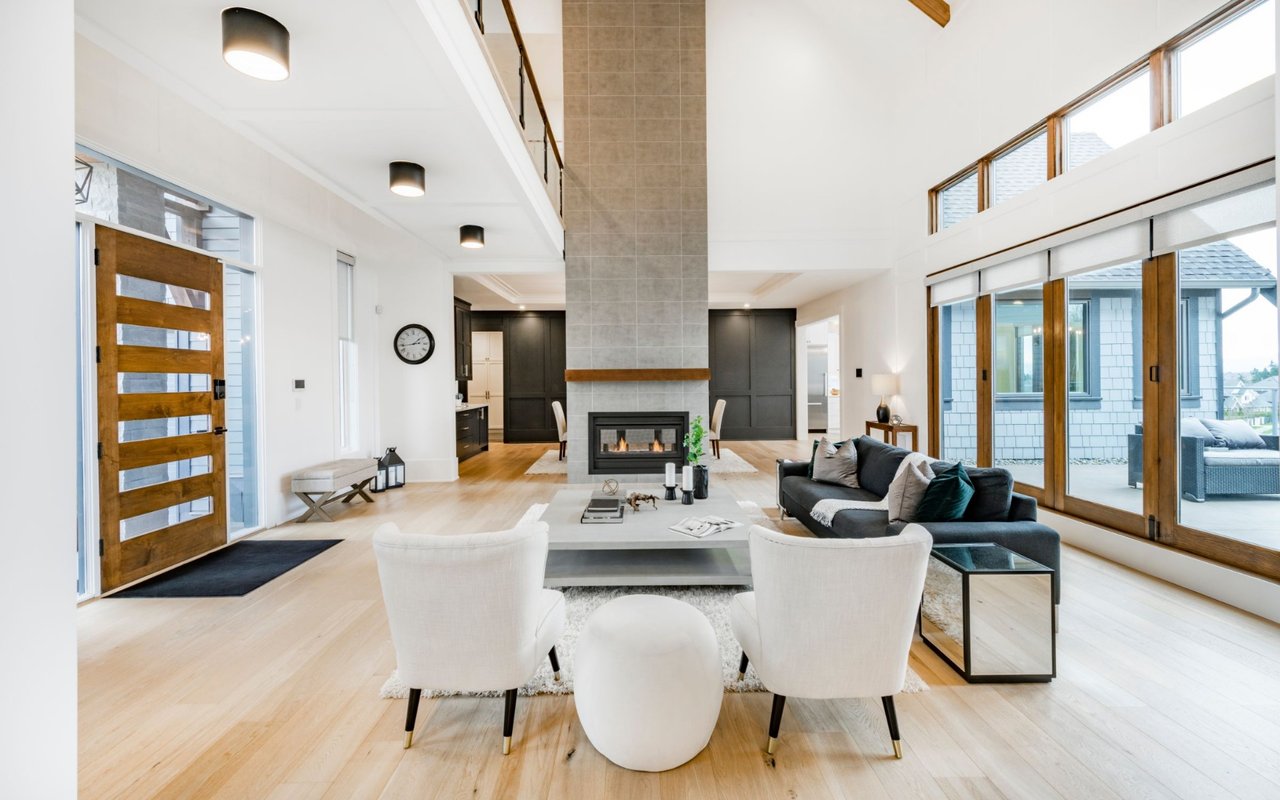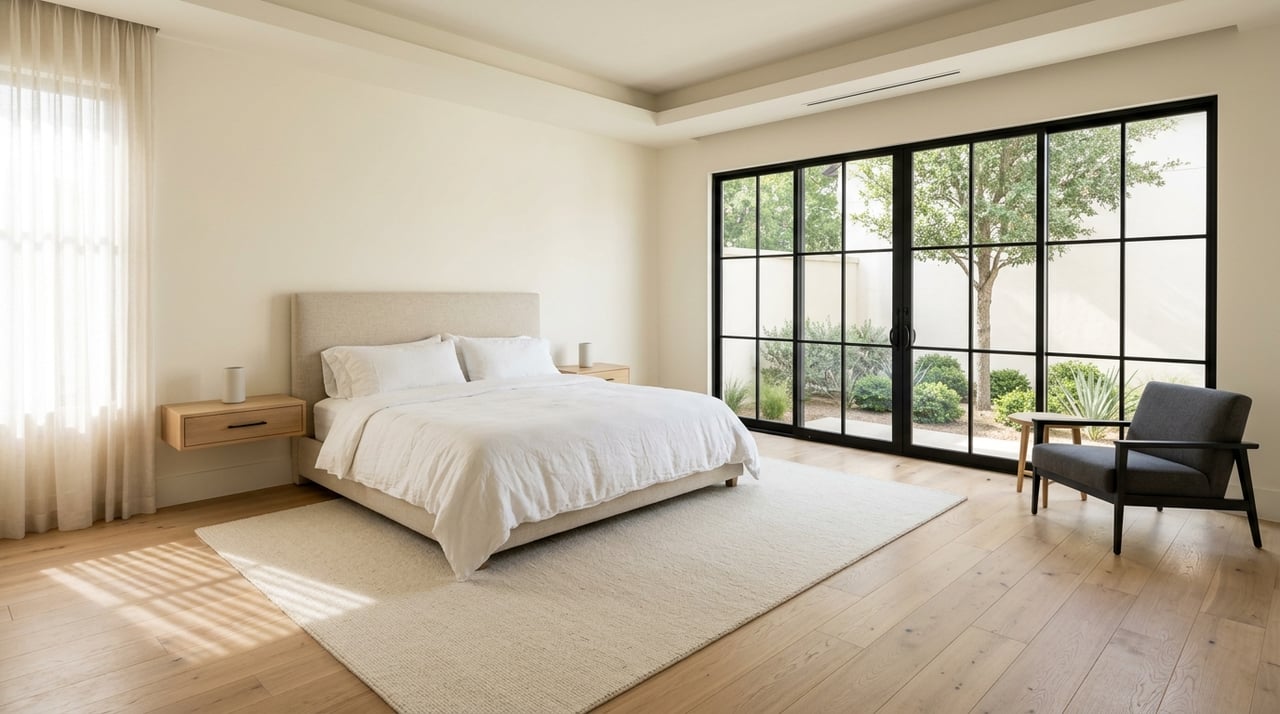
Dreaming about a luxury home that feels like a true getaway without leaving North Texas? If you want a second residence that gives you space to unwind, entertain, and recharge, Grapevine deserves a close look. From lake access and walkable local attractions to practical questions about taxes, insurance, and permitted use, there is a lot to think through before you buy. Let’s dive in.
Why Grapevine Works for a Retreat
Grapevine offers something many second-home markets cannot: convenience paired with lifestyle. Official city tourism materials position Grapevine between Dallas and Fort Worth, on Lake Grapevine, and near DFW International Airport. That makes it easier to use your home often, whether you plan quick weekend stays or longer seasonal visits.
The city also gives you more than just a place to sleep. Historic Main Street is known for preserved charm, walkable blocks, shops, restaurants, winery tasting rooms, galleries, live entertainment, the Palace Arts Center, and the Grapevine Vintage Railroad. Historic Main Street also earned 2025 Main Street America accreditation, which reinforces Grapevine’s strong preservation identity.
Lake Grapevine Adds the Escape Factor
If your goal is a home that feels like a retreat, Lake Grapevine plays a big role. City tourism materials describe the lake as an 8,000-acre recreation area with boating, water-skiing, windsurfing, fishing, and camping. That kind of access can turn a second residence into a place you genuinely look forward to using.
Grapevine’s broader outdoor network adds even more appeal. The city says its trail system connects nine parks and more than 1,400 acres of green space. For buyers who want a balance of luxury living and outdoor downtime, that combination is hard to ignore.
Grapevine Feels Active Year-Round
A second home should feel alive when you arrive. Grapevine benefits from a steady stream of seasonal attractions and community activity that helps it feel like a destination rather than a property that sits empty most of the time.
The city promotes itself as the Christmas Capital of Texas and is known for a packed holiday calendar. That can be especially appealing if you want a home that becomes part of family traditions, holiday gatherings, or long weekends built around local events.
Define Your Second-Home Goal First
Before you start touring luxury homes, get clear on how you plan to use the property. That one decision shapes financing, insurance, taxes, and even which homes make sense for your lifestyle.
Ask yourself a few simple questions:
- Will this be for personal use only?
- Do you plan to stay there regularly during the year?
- Do you want a lock-and-leave property or a larger estate with more upkeep?
- Are you thinking about future rental use?
- Do you want lake proximity, Main Street access, or a more private setting?
Your answers matter because a true second residence is treated differently from a property that functions like an income-producing rental.
Financing Rules Matter More Than Many Buyers Expect
Second-home financing comes with its own guidelines. Fannie Mae says a second home must be a one-unit dwelling, suitable for year-round occupancy, occupied by you for some portion of the year, under your exclusive control, and not treated as rental property or a timeshare.
Fannie Mae also notes that the property cannot be subject to arrangements that allow a management firm to control occupancy. In other words, if a home operates more like a managed rental or hospitality asset, it may not fit second-home financing standards.
You should also plan for reserve requirements and possible loan-level pricing adjustments. Those costs do not affect every buyer the same way, but they are important to model early, especially if you already own other financed properties.
Carrying Costs Need a Full Review
A luxury second residence should feel restful, not financially surprising. In Texas, one of the biggest budget items is often property tax.
The Texas Comptroller says there is no state property tax, but property taxes are locally assessed and administered. The Comptroller also says the general residence homestead exemption requires ownership and use of the property as your principal residence, and you cannot claim another residence homestead exemption in the same year. For many second-home buyers, that means you should not assume the same tax treatment you receive on your primary home.
Texas also has no state income tax, but that does not reduce local property tax exposure. When you evaluate affordability, look beyond the purchase price and include the full annual ownership picture.
Costs to Estimate Before You Buy
- Property taxes
- Homeowners insurance
- Possible flood insurance
- HOA dues, if applicable
- Landscaping and pool care
- Utilities
- Cleaning and routine maintenance
- Security or smart-home monitoring
Insurance Deserves Early Attention
Insurance is especially important when a home may sit empty for stretches of time. The Texas Department of Insurance advises asking your insurer how it defines vacancy and whether a vacant house remains covered. That is a key question for any second residence.
Flood risk should also be reviewed carefully. The City of Grapevine says it participates in FEMA’s National Flood Insurance Program, that Grapevine Lake is a flood control structure with additional development criteria, and that changes in floodplain areas can require permits. If you are considering a lake-adjacent property, ask early whether floodplain issues or permit concerns affect the parcel.
Standard homeowners insurance typically does not cover flood damage, and lenders generally require proof of homeowners insurance when there is a mortgage. That means you should confirm both your base coverage and any additional flood-related needs well before closing.
Rental Assumptions Can Cause Problems
Some buyers consider offsetting second-home costs with short-term rental income. In Grapevine, that idea needs careful review before you buy.
According to Grapevine’s current zoning ordinance, single-family short-term rentals are prohibited. The city’s FAQ says multifamily short-term rentals are allowed only under specific zoning, permitting, and operational restrictions, with that limited allowance added in 2024.
For luxury buyers focused on single-family homes, the takeaway is simple: do not assume you can use the property as an Airbnb-style rental. If rental income is part of your plan, you need to verify local rules, deed restrictions, and HOA standards before moving forward.
Tax Planning Should Match Your Use Plan
Tax treatment can differ from financing treatment, which is why good planning matters. IRS Publication 936 says mortgage interest can be deductible on a main home or second home if the loan is a qualified home mortgage and you itemize deductions.
For loans taken out after December 15, 2017, the general cap is $750,000 of acquisition indebtedness. The IRS also says that if a second home is not rented out, it can still be treated as a qualified home even if you do not use it during the year. If it is rented for part of the year, use-day rules can affect whether it is treated as a second home or rental property.
This is one area where small details can have big consequences. A lender, CPA, and attorney can help you align financing, ownership, and tax strategy with how you actually plan to use the home.
Questions to Ask Before You Make an Offer
The right property is not just beautiful. It also needs to fit your long-term plan.
Bring these questions into your buying process:
- Is this home truly intended for personal use?
- Does it qualify as a one-unit, year-round, borrower-controlled second home?
- What is the realistic annual carry cost?
- Is the property near a floodplain or lake-related review area?
- Are there deed restrictions or HOA rules that affect use?
- If your plans change later, what happens if you want to rent, sell, or transfer ownership into an estate plan?
These questions help you protect both lifestyle and financial comfort. That matters even more in the luxury segment, where larger homes can carry larger holding costs.
How to Choose the Right Grapevine Luxury Home
Not every luxury home works equally well as a second residence. A home that shines for full-time living may feel high-maintenance for occasional use.
As you narrow your options, think about how the property will function when you are away. Look at ease of maintenance, security, lot size, systems upkeep, and whether the layout supports the way you want to relax, host, or spend time with family.
You may also want to weigh location in practical terms:
- Proximity to Lake Grapevine for recreation
- Access to Historic Main Street amenities
- Convenience to DFW International Airport
- Privacy and ease of arrival for weekend use
- Outdoor spaces that are enjoyable but manageable
The best retreat is one you can use comfortably and consistently. In many cases, that means choosing a home that supports your lifestyle without creating unnecessary complexity.
A Second Home Should Support Your Legacy
A second residence is often more than a lifestyle purchase. It can become a place where family traditions grow, where you host meaningful gatherings, and where your real estate decisions reflect long-term stewardship.
In Grapevine, the appeal is clear. You get a location with lake recreation, a recognized historic district, seasonal energy, and access that works well for North Texas buyers. The key is making sure the home fits the legal, financial, and practical realities of second-home ownership.
If you are considering a Grapevine luxury home as a personal retreat, thoughtful guidance can help you buy with clarity and confidence. For personalized support with luxury home opportunities in Grapevine and nearby North Texas communities, connect with Day & Cantu Luxury Homes Group with eXp Luxury.
FAQs
What makes Grapevine appealing for a second residence?
- Grapevine offers access to Lake Grapevine, a walkable Historic Main Street, seasonal events, and convenient proximity to both Dallas-Fort Worth and DFW International Airport.
Can you use a single-family Grapevine home as a short-term rental?
- Grapevine’s current zoning ordinance prohibits single-family short-term rentals, so you should not assume a single-family second home can be used for Airbnb-style stays.
What financing rules apply to a Grapevine second home?
- Fannie Mae says a second home generally must be a one-unit property, suitable for year-round occupancy, occupied by you for part of the year, under your exclusive control, and not operated as rental property or a timeshare.
Do Grapevine second-home buyers get a Texas homestead exemption?
- The Texas Comptroller says the general residence homestead exemption applies to your principal residence, and you cannot claim another residence homestead exemption in the same year.
Should you check flood insurance for a Grapevine luxury home?
- Yes. The City of Grapevine notes lake-related floodplain considerations, and standard homeowners insurance typically does not cover flood damage, so you should ask whether separate flood coverage is needed.
What costs should you budget for a Grapevine retreat property?
- You should model property taxes, homeowners insurance, possible flood insurance, HOA dues, utilities, landscaping, cleaning, maintenance, and any security or vacancy-related costs.