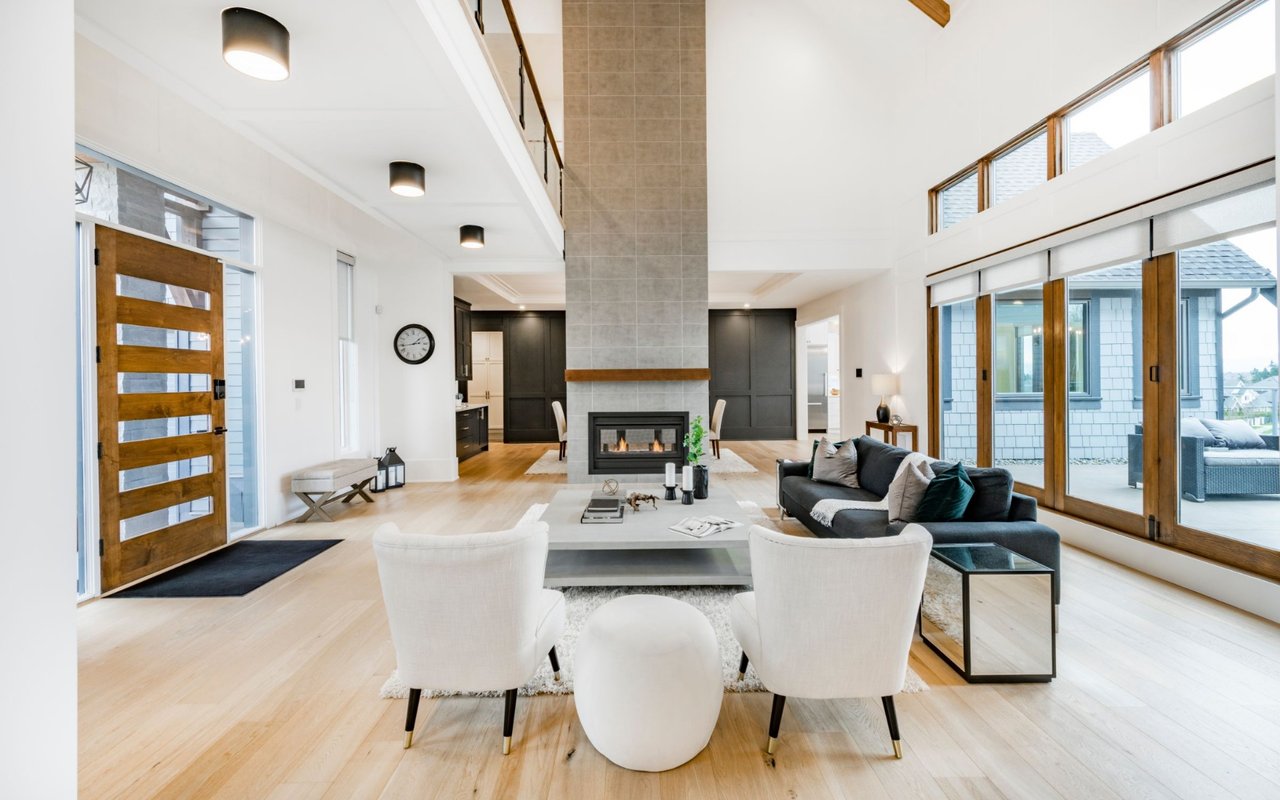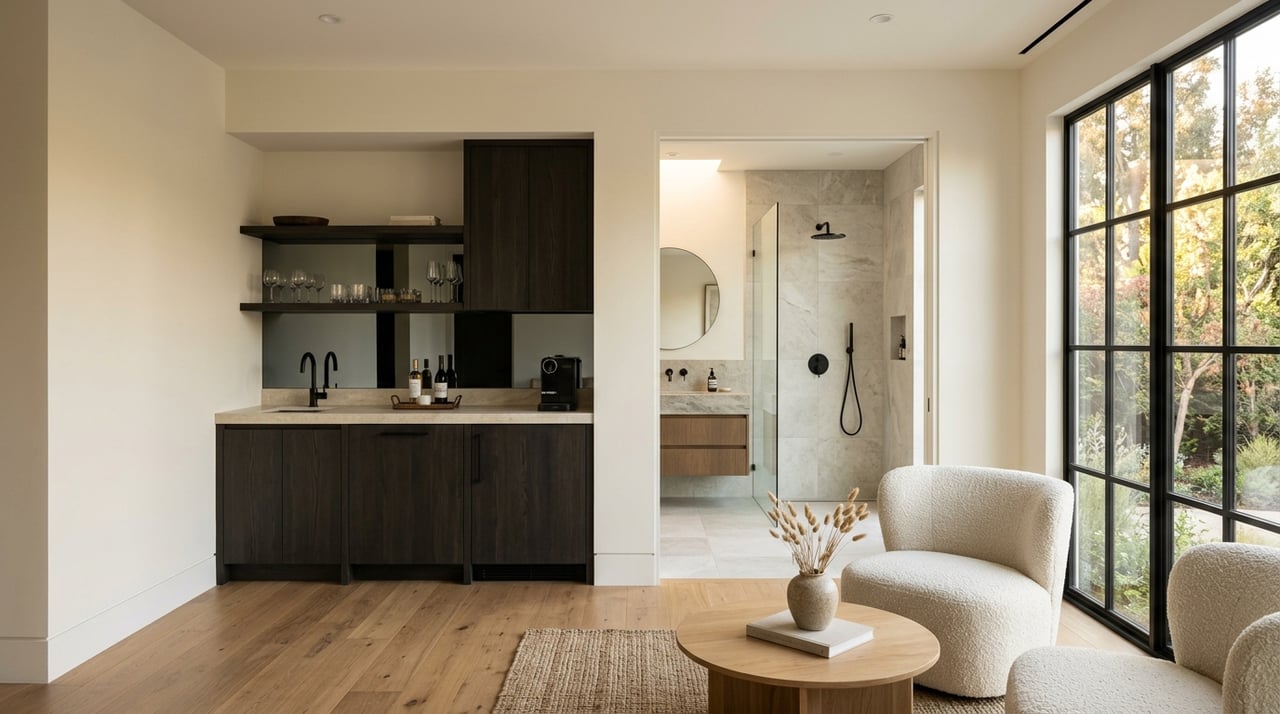
If your dream home needs to work for more than one generation, square footage alone will not solve it. You need a layout that gives everyone room to connect, rest, and keep daily routines running smoothly. In Keller, that goal is especially relevant for families planning for children, parents, grandparents, or a mix of all three. This guide will walk you through the design features, remodeling priorities, and local Keller rules that matter most. Let’s dive in.
Why multigenerational living fits Keller
Multigenerational living is not a niche idea. The U.S. Census Bureau reported that 7.2% of family households were multigenerational in 2020, and Pew found that 18% of the U.S. population lived in a multigenerational household in 2021. The Census Bureau also noted that these households were more common across the South, which makes the conversation especially relevant in Texas.
Keller is a strong match for this lifestyle because it is a high-value, largely owner-occupied market. The city’s median household income is $174,950, the median owner-occupied home value is $594,300, and 83.5% of housing units are owner-occupied. Keller also has 25.6% of residents under age 18 and 16.8% age 65 and older, which means many households may be thinking about both younger and older relatives when planning a home.
Pew found that financial issues and caregiving needs are the main reasons adults live in multigenerational households. In a luxury market like Keller, that does not always mean squeezing more people into one home. More often, it means designing intentional space that supports privacy, flexibility, and long-term comfort.
What luxury buyers should prioritize
The best multigenerational homes are not simply bigger. They are designed around separation with connection. That means your home allows shared meals, family time, and support when needed, while still protecting sleep schedules, work routines, and personal space.
In Keller luxury homes, that often looks like a main-floor suite, flexible gathering areas, and bathroom features that are easier to use for people of different ages. It can also mean planning ahead for changing needs, even if your household does not need those features today.
Main-floor suites matter most
A strong starting point is a private bedroom and full bath on the main floor. AARP specifically recommends at least one bedroom with its own bathroom on the main level when stairs are part of the home. That one decision can make a home much more practical for long-term guests, live-in relatives, or anyone who wants to avoid stairs.
For buyers, this feature can be more valuable than an extra upstairs bedroom. A main-floor suite gives you options without forcing a major remodel later. It also helps the home feel prepared rather than improvised.
What to look for in a main-floor suite
- A bedroom separated from the busiest living areas
- A full bath attached or directly adjacent
- Easy access to the kitchen and main living space
- Good sound separation from media rooms or game rooms
- Enough room for everyday comfort, not just occasional guests
Bathroom design deserves extra attention
Bathrooms are one of the most important areas to get right in a multigenerational plan. AARP recommends walk-in showers instead of step-over tubs, grab bars near the tub or toilet, a handheld shower head, and enough floor space for someone to assist if needed.
These features support older adults, but they are also useful for anyone recovering from surgery, injury, or temporary mobility issues. In a luxury home, practical design does not have to feel clinical. Done well, these choices can blend into a polished, high-end finish.
Bathroom features worth considering
- Walk-in shower
- Grab bars near toilet or bathing area
- Handheld shower head
- More open floor area for easier movement
- Simple, safe entry without a high tub wall
Wider paths and better lighting help daily life
Door widths and circulation paths have a major impact on comfort. AARP notes that doorways should be wider than 40 inches to make movement easier for wheelchairs and emergency equipment. Even if your family does not need that now, wider openings can make a home feel more comfortable and easier to navigate.
The CDC also recommends improving home safety with good lighting, accessible or motion-based switches, and fewer trip hazards. Falls are the leading cause of injury death for adults 65 and older, and about 1 in 4 older adults report falling each year. That makes safer design more than a nice upgrade. It is part of planning wisely for everyday life.
Shared spaces should be flexible
Open-concept living can be beautiful, but a multigenerational home works best when shared areas are flexible, not just large. AARP highlights ideas like kitchen work zones at different heights, family communication areas, and adjustable-height counters in higher-end homes.
For Keller luxury buyers, this supports a kitchen and family room that can handle more than one activity at a time. You may have one person cooking, another helping with homework, and another needing a quieter spot nearby. A smart layout supports those moments without turning the entire home into one crowded workspace.
Smart shared-space ideas
- More than one prep or seating zone in the kitchen
- Clear sightlines without forcing everyone into one area
- Nearby storage for daily routines
- Spaces that can shift between entertaining and caregiving
- Easy transitions between private and common areas
Remodeling an existing Keller luxury home
If you already own a home in Keller, you may not need a full rebuild to make multigenerational living work. In many cases, the most effective updates are practical ones. A main-floor bedroom suite, a safer bathroom, wider circulation paths, better lighting, and lower-trip surfaces are often the best place to start.
An underused guest room, bonus room, or loft may be the easiest place to create a more private living zone. That lets you preserve the kitchen and family room as the central shared spaces while improving privacy for relatives living under the same roof.
The strongest remodels usually focus on how the home functions every day. That means thinking beyond resale buzzwords and asking whether the layout supports real routines, real boundaries, and real comfort.
Keller permit rules to know first
Before you make plans, it is important to understand that Keller generally requires a permit for new construction, enlargement, alteration, repair, move, demolition, or change of occupancy. For homeowners adapting an existing floor plan, that means owner-occupied projects still typically go through the city’s permit process.
For residential additions or major remodels, Keller usually expects a formal plan set rather than a simple sketch. The city’s residential permit process commonly calls for site plans, floor plans, and supporting documents for additions and alterations. If you are considering a major suite addition or layout change, it is wise to factor that timeline in early.
Detached casitas and ADUs in Keller
Many buyers ask whether a detached casita or accessory dwelling unit is allowed in Keller. The most accurate answer is sometimes, but not as an automatic by-right feature in every situation. Recent Keller public-hearing notices show ADU requests being reviewed through a city process, including requests on larger SF-36 parcels around 1.37 acres, 2.67 acres, and 2.83 acres.
That pattern suggests larger lots may be the most likely candidates for a detached secondary unit, but the project still needs city review. In other words, a detached guest house or private suite concept should be verified early rather than assumed.
Accessory building rules that can affect design
Keller states that:
- Detached accessory buildings over 120 square feet require a permit
- A property may have no more than two detached accessory buildings
- Accessory buildings must meet the same yard setbacks as the main house
- Accessory buildings over 200 square feet must use brick, stone, or the same material as the main structure
For luxury homes, those material requirements matter because they affect both design cohesion and project cost.
The 6,000-square-foot sprinkler trigger
One local detail surprises many luxury buyers and homeowners. Keller states that new construction of one- or two-family homes with more than 6,000 square feet of conditioned space requires a sprinkler system. If an addition or new accessory construction pushes an existing home over that threshold, the whole house may need a sprinkler retrofit.
That can affect both renovation budgets and design strategy. If you are comparing properties or planning an addition, this is one of those local details worth checking before you finalize a layout plan.
How to evaluate a home for multigenerational living
When you walk through a Keller luxury home, try to look beyond staging and finishes. Ask whether the layout truly supports more than one generation living comfortably. The goal is not just extra rooms. It is a home that feels intentional in how it balances togetherness and privacy.
A strong fit often includes:
- A private main-floor bedroom and full bath
- Safer, more usable bathroom design
- Wider doors and easy movement paths
- Better lighting and fewer trip hazards
- Flexible shared spaces
- A realistic permitting path for any additions or detached structures
The homes that work best are not always the largest ones. They are the ones designed to help your family live well now while staying adaptable for the years ahead.
If you are searching for a Keller luxury home that can support multigenerational living, or thinking about how to position your current home for today’s buyers, the right guidance can make all the difference. Connect with Day & Cantu Luxury Homes Group with eXp Luxury for thoughtful, high-touch support tailored to your goals.
FAQs
What does multigenerational living mean in Keller homes?
- Multigenerational living usually means two or more adult generations, or grandparents and grandchildren, sharing one home, often for caregiving, financial, or lifestyle reasons.
What is the best multigenerational feature in a Keller luxury home?
- A main-floor bedroom with a full bath is often the most useful feature because it supports privacy, comfort, and easier access when stairs are part of the home.
Can you add a detached casita or ADU to a Keller property?
- Sometimes, but it depends on zoning, setbacks, lot size, and the city’s review process, and recent Keller cases show these requests often go through public hearings.
What Keller permit rules matter for multigenerational remodeling?
- Keller generally requires permits for construction, additions, alterations, repairs, and changes of occupancy, and major residential remodels usually need formal plans such as site plans and floor plans.
What local issue surprises Keller luxury homeowners most?
- A common surprise is that homes exceeding 6,000 square feet of conditioned space may trigger a sprinkler requirement, including whole-house retrofit implications when additions push a home over that threshold.
What should you verify before calling a room a legal suite in Keller?
- You should confirm whether the space is inside the main home, a converted area, or a detached structure, and whether the city has approved the intended use.